Eco Urgency
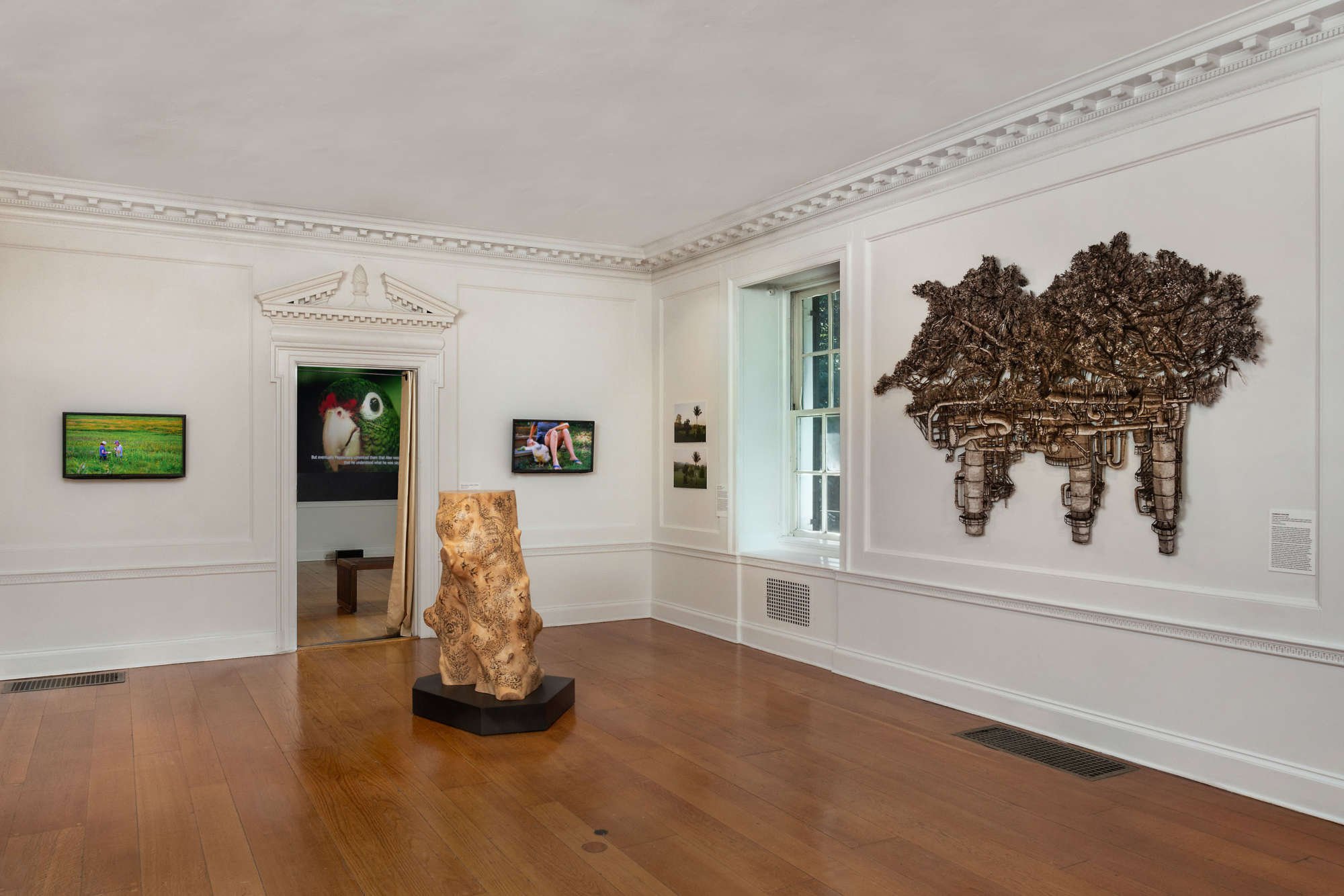
Eco-Urgency
A two-part exhibition with works about our current ecological crisis.
Featuring Allora & Calzadilla, Vanessa Albury, Tatiana Arocha, Samantha Box, Hannah Chalew, Lionel Cruet, Nicky Enright, Rachel Frank, Alicia Grullón, Alison Janae Hamilton, Susan Rowe Harrison, Richard Ibghy & Marilou Lemmens, Mary Mattingly, Alison Moritsugu, Alexis Rockman, Francesco Simeti, SPURSE, Candace Thompson, Will Wilson, Natalie Collette Wood, Suné Woods, Sasha Wortzel, Ken + Julia Yonetani.
Curated by Bartholomew Bland, Gabriel de Guzman, Jesse Bandler Firestone, Eileen Jeng Lynch, and Deborah Yasinsky. The curatorial concept for the exhibition was initiated with Jennifer McGregor.
Wave Hill, August 28 – December 5, 2021
Co-organized by Wave Hill and Lehman College Art Gallery, Eco-Urgency: Now or Never is a two-part exhibition showing the varied responses to our current ecological crisis by artists working across wide-ranging practices. Now, the first part of the exhibition, on view at Wave Hill, brings together artists looking at the urgency of the present moment, raising awareness through a holistic approach to understanding social, political, and environmental concerns. Or Never, the second part of the project, to be presented at Lehman College Art Gallery starting December 4, is both speculative and reflective, examining the echoing cycles of history that have shaped and led us to our current moment, alongside possible and causal futures.
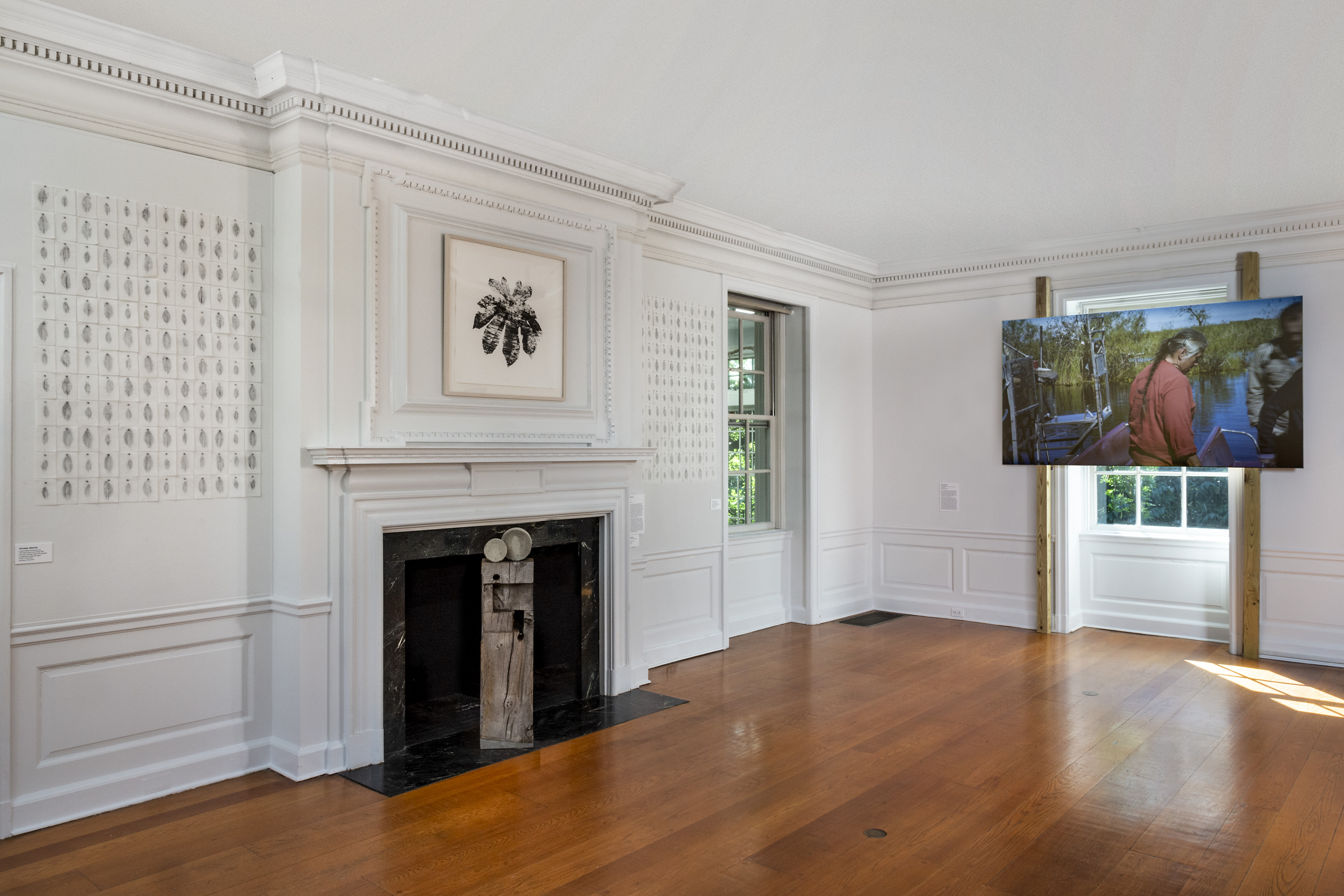
Both parts of the exhibition investigate a series of overlapping thematic inquiries that preoccupy artists today. Politics and the Land explores the impact of political and economic policies related to natural resources and the social health inequities made worse by the unequal distribution of resources. Decentering Human Experience emphasizes the importance of nonhuman perspectives and impresses the need to rethink humans as the primary species. The theme of Stewardship focuses on the urge to collect, archive, and preserve. Artists imagining apocalyptic climate catastrophe are explored through Depicting Imminent Change, proposing ideas to mitigate the resulting impacts of ongoing environmental changes. Finally, Grief looks at a growing body of work that is mournful, elegiac, and prompts questions about what it means to memorialize that which is lost or about to be lost.

The artists in Eco-Urgency rely on research, critical analysis, observation, and direct action to create objects, videos, and performances to encourage public engagement and deepen awareness of this critical moment. There are no easy answers to this crisis, but these artists provide a series of guideposts and pathways for moving forward.